Why Phantom Feels Different: My Take on Solana NFT Wallets
Whoa! This is one of those wallet stories that starts with a tiny friction and then balloons into a whole vibe difference. When you first open a Solana wallet extension, there’s an almost tactile sense of speed and lightness—like the UI breathes. My instinct said: this will be fast and clean, but somethin’ about the UX surprised me in ways I didn’t expect. Over time I noticed the small choices that make managing NFTs and tokens less like ledger bookkeeping and more like holding something you actually want to interact with, though that’s not the whole story.
Really? I know, that sounds extra subjective. I’m biased, but I spend a lot of time switching between extensions and mobile wallets, and the little details pile up. On one hand performance matters—transactions per second, cheap fees—but on the other, feel matters: how easy is it to view an NFT, how reassuring is the connect prompt, does the wallet nudge you away from silly mistakes. Initially I thought security would be the only deciding factor, but then realized interface trustworthiness often trumps raw specs. Actually, wait—let me rephrase that: you want both, and you get into trade-offs quickly.
Whoa! Okay, so check this out—Solana’s architecture allows fast confirmations and low fees, which changes user expectations. Medium complexity actions like trading or minting become frictionless, and that changes what a wallet needs to do for you. The wallet must feel like a safe runway, not a barricade, because people will take off if the experience is smooth. My gut told me early on that better onboarding correlates with better retention; the data I’ve seen backs that up, though it’s messy. On balance, usability nudges are very very important for NFT collectors who care about visuals and provenance.
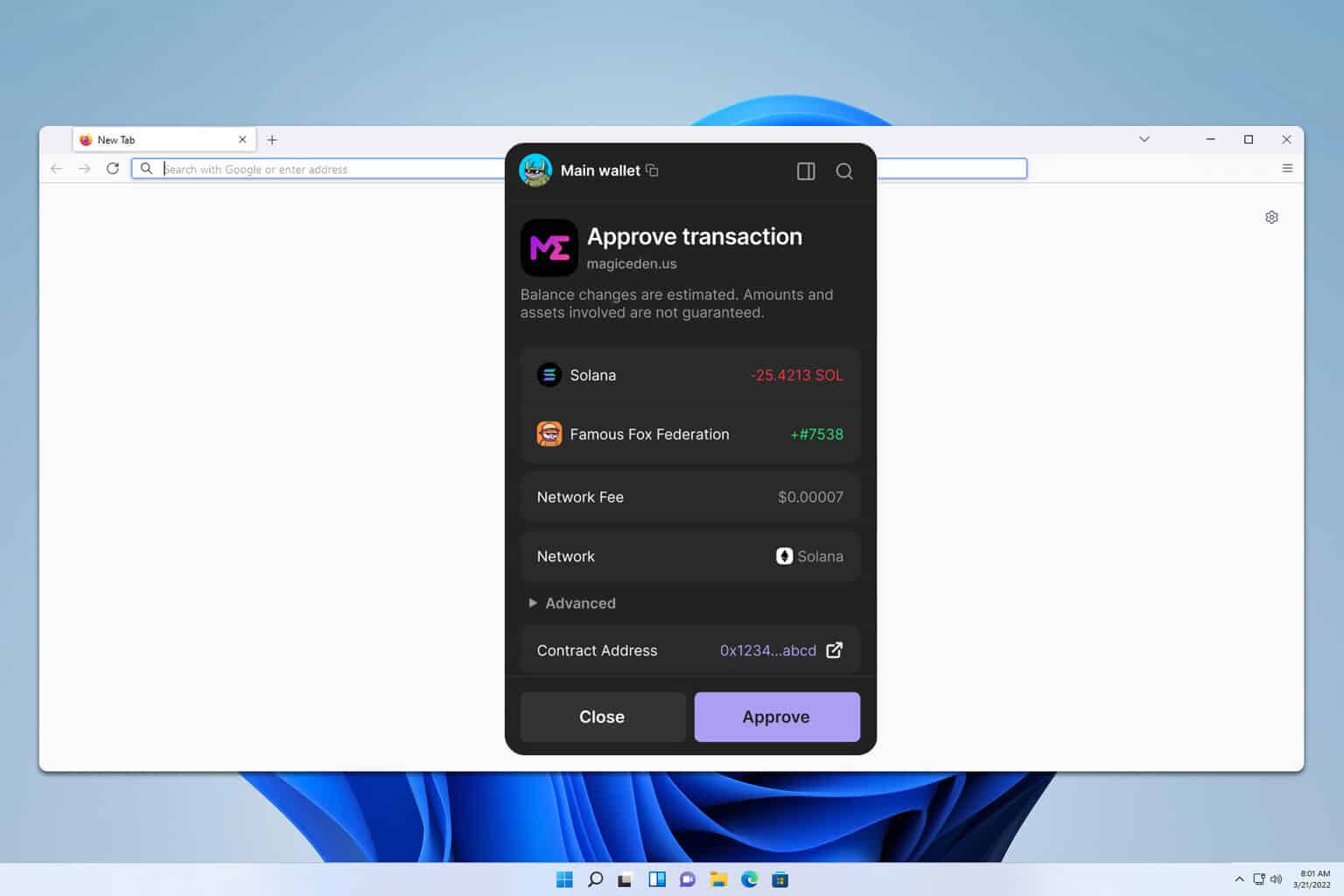
Really? Funny detail: I once watched a friend nearly sign a transaction because the extension popover looked identical for harmless and risky actions. That moment stuck with me. It taught me to read connections between UI wording, color cues, and user context. On the surface these are small UX copy and microcopy things, but they shape behavior—especially for new users who are still learning what wallet-to-dapp permission means. On the whole, privacy prompts and the clarity of permissions are a subtle security layer that matters a lot.
Whoa! Then there’s the onboarding ritual, which I kinda love to nitpick. Some wallets hammer you with phrases and responsibilities; others sneak up and then hit you with recovery seed quizzes later. I’ve seen both approaches fail in real life. Personally I prefer a guided flow that keeps the backup step prominent without scaring users away—because people will skip it otherwise, and that’s when somethin’ ugly happens. So, good onboarding is both an education and a safety net, though it never fully solves human error.
Really? One more thing on NFTs: gallery-first design matters. When a wallet shows your NFTs in an attractive grid, with metadata and a clear provenance line, it taps into the collector’s psychology. The experience of ownership is partly visual—presentation matters. On the analytical side, metadata integrity and the ability to verify a token’s contract on-chain are crucial, so the wallet should surface those confirmations without being obnoxious about them. That balance is delicate and often mishandled, which bugs me.
Where Phantom Sits in the Mix
Whoa! This is where I get practical: Phantom targets that sweet spot between approachable design and crypto-native features. For many users it acts like a gateway to Solana NFTs and DeFi—quick, polished, and not too geeky. My instinct said they’d sacrifice depth for simplicity, but actually they layered advanced features behind simple flows so you can graduate into power-user territory. I’m not 100% sure of everything they do under the hood, and I don’t pretend to know their internal roadmap, but my hands-on time shows a thoughtful progression from beginner to advanced flows.
Really? If you want to try it yourself, a straightforward way is to add the extension and play with a testnet or small amount first. I often recommend checking any installer source carefully, which is why I mention this specific place where I grabbed a copy when testing: phantom wallet download extension. Do a sanity check—confirm the extension ID where possible, compare UI screenshots, and keep an eye out for impostors. Small steps like that saved me from a few sketchy installs, trust me.
Whoa! Now, for deeper security: hardware wallet integration is an underrated feature. Connecting a Solana wallet to a hardware device changes the threat model significantly, and if you plan to hold high-value NFTs, it’s worth the extra setup friction. On a technical level, PSBT-like flows (or their Solana equivalents) reduce key exposure during signing, which is a real upgrade. On the human side, though, hardware stumbles because people lose devices or forget PINs—so a fallback plan is necessary, and wallet designers must build for that reality.
Really? Let me get a bit nerdy for a second. Transaction simulation, clear nonce displays, and explicit permission scoping are features I look for. Initially I thought that any wallet that connected to Solana would provide deep transparency, but then realized many hide the details to keep UI simple. On deeper reflection, this tradeoff explains a lot about trust: people either trust a polished surface or demand full transparency, rarely both at once. Designers must decide who they’re building for.
Whoa! Okay, practical tips from my experience: use small amounts until you’re comfortable, enable hardware where possible, screenshot recovery steps and then store them offline, and double-check contract addresses for NFT mints. These are basic but effective habits. Also, keep an eye on permissions—some dapps request broad access that’s unnecessary. I’m biased toward conservative permissioning; it’s saved me some anxiety more than once. Honestly, the feeling of being in control beats being dazzled by flashy features every time.
FAQ
Q: Is Phantom safe for NFTs?
Short answer: generally yes, with caveats. Phantom provides modern security features and a polished UI, but safety also depends on how you use it—seed management, hardware wallet usage, and careful dapp permissions are all part of the equation. My instinct told me to treat any extension like a key; guard it accordingly.
Q: Can I use Phantom with a hardware wallet?
Yes, hardware integration is supported and recommended for high-value holdings. It adds setup friction but reduces exposure to browser-based risks. On one hand it’s a pain to configure; on the other, it’s peace-of-mind that scales with value.
Q: Where should I download the extension?
Get it from a trusted source and verify the extension identity. If you want the installer I referenced earlier, use the link above to the phantom wallet download extension location and do a quick cross-check. I’m not a lawyer or an audit firm, just a person who’s learned to be cautious.