Want a Web Version of the Phantom Wallet for Solana? Here’s What Actually Works
Whoa! This question comes up a lot. Seriously?
Short answer: there isn’t a single magic “hosted web Phantom” that replaces the extension or mobile app. Hmm… that’s a bummer for folks who want one-click access from any browser. But hold on—there are practical, safer alternatives that let you interact with Solana dapps from the web without pasting your seed phrase into some sketchy page.
Initially I thought a true web-hosted Phantom would be neat. But then I realized the tradeoffs. Web-hosted wallets centralize custody. On one hand, centralization can be convenient. On the other, it adds risk—phishing, hacks, and account lockouts become real. Actually, wait—let me rephrase that: the ecosystem favors client-side keys (extensions and mobile keys) because they keep private keys off third-party servers.
Okay, so check this out—there are two pragmatic ways people get a “web experience” with Phantom without giving up key custody:
1) Use the browser extension. It behaves like a web wallet because it injects a wallet into the page. It signs transactions from a UI in your browser. 2) Use mobile-to-web flows (deep linking, WalletConnect-type links). You can approve transactions on your phone while browsing on desktop. Both feel like web usage, but keys stay local.
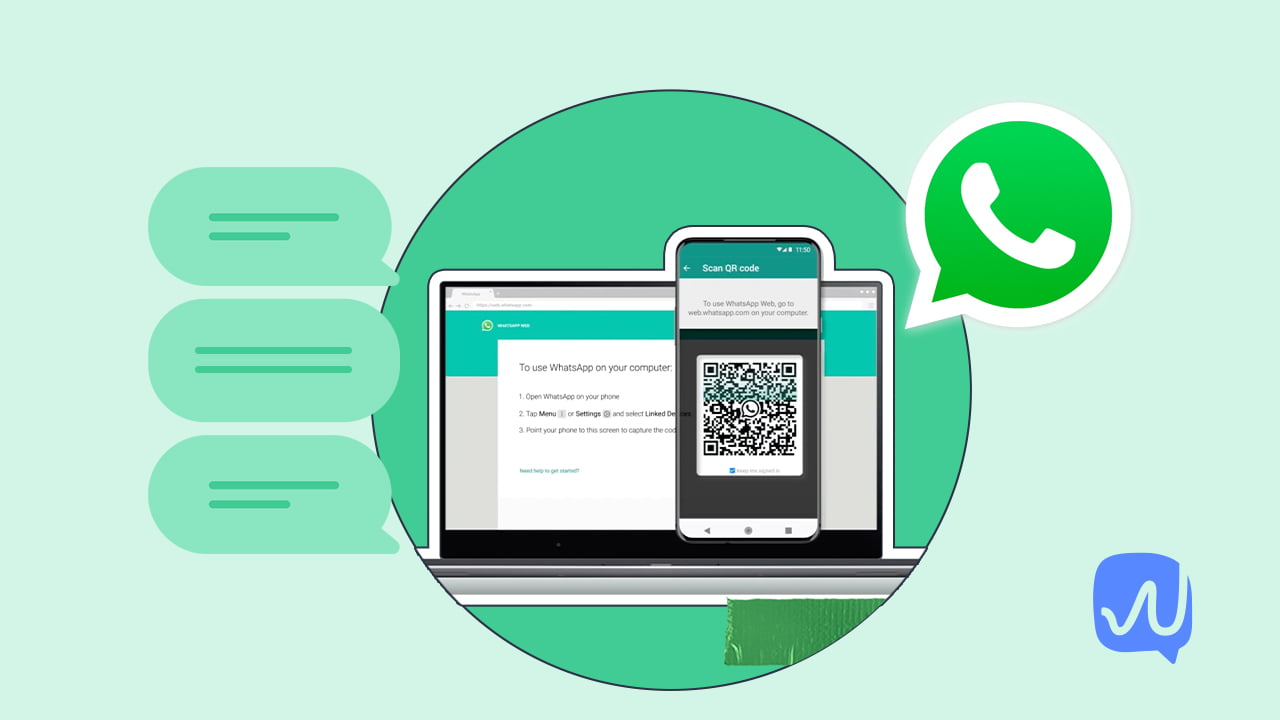
How the Phantom “web” experience actually works
Phantom isn’t a cloud account. The extension acts as a bridge between the dapp and your keys. That design keeps private keys with you. Many Solana dapps use the Wallet Adapter pattern so they can talk to wallets in the browser. That’s the real trick—dapps talk to wallets; wallets talk to keys; your browser is just the stage.
Which means: you can have a near-identical web experience without hosting your seed phrase online. I’m biased, but that’s a much better tradeoff for most users. Somethin’ about handing over your mnemonic to a webpage bugs me. It should bug you too.
Step-by-step: getting a safe web-like Phantom flow
1. Install the official extension in your browser (Chrome, Brave, Edge, etc.). Create or import a wallet there. 2. For desktop-only dapps, connect via the extension. For mobile-first flows, use the dapp’s “connect wallet” option and pick the mobile path—scan a QR or follow a deep link. 3. If you want extra security, pair Phantom with a hardware wallet (Ledger). That adds a real cryptographic confirmation step for each transaction.
These steps let you interact with Solana dapps like marketplaces, AMMs, and lending platforms without giving up custody. It’s not perfect. But it’s the best balance we’ve got right now.
Security realities (read this carefully)
Phishing is the biggest threat. Fake web clones will ask for mnemonics or ask you to sign malicious transactions. Do NOT paste your seed phrase into any webpage. Ever. If a site asks, close the tab. Really.
Also—double-check domains. The official Phantom domain is phantom.app (type it in if you’re unsure). If you follow links from social media, be skeptical. A comforting interface can still be trap. Seriously, the UI alone doesn’t mean the site is honest.
That said, sometimes people want a quick web demo or testing flow. For that, use ephemeral wallets or test wallets on devnet. Don’t use your mainnet funds for tests. And if you ever see a transaction requesting “Approve all tokens” or “Unlimited allowance,” pause. Those approvals can be abused.
Where the link you clicked fits in
Some projects host web-based front-ends that mimic a wallet experience or provide a bridge to an extension. When you see a web offering, ask: who controls the private keys? If it’s the site, you’ve traded convenience for custody. If it’s the extension or a hardware device, keys remain with you. For example, you can check a browser-integrated gateway labeled phantom wallet—but be cautious and verify domains and authenticity first. I’m not saying it’s good or bad—I’m saying double-check before trusting it with funds.
On one hand, some users want the easiest UX possible. On the other hand, easy often means riskier. Finding the middle ground is the trick.
Practical tips for using Phantom with Solana dapps
– Use the extension for desktop dapps. It’s the most seamless route. – Use hardware wallet support for high-value accounts. – Limit approvals and revoke allowances when you can. – Keep a small “hot” balance for everyday interactions and store the rest offline. – When in doubt, check contract addresses on block explorers (or ask a community you trust).
Also: keep backups. Use a secure password manager for any passphrases that are encrypted locally. And remember—recovery phrases are the true keys to everything. Treat them like physical cash in a safe, not like a password you paste into a notepad.
FAQ
Is there an official “web” Phantom that stores my keys for me?
No. Phantom’s trusted modes are the extension and mobile apps where keys are stored client-side. If a site promises a hosted Phantom where it manages your keys, consider that a custody change and weigh the risks carefully.
Can I use Phantom with hardware wallets?
Yes. Phantom supports hardware wallets like Ledger for transaction signing. That’s one of the best protections if you’re holding meaningful value on Solana.
What if I want a pure web flow for demos or dev testing?
Use devnet and ephemeral wallets. Test wallets should have no real funds. Also use Meta transactions or local signing tools in test environments—never mix test credentials with your main wallet.
Alright—closing thought. I’ll be honest: I’d love a safer, universally trusted hosted solution someday. But until that exists, use the extension or mobile flows, keep keys off centralized servers, and be cautious of anything that asks for your mnemonic. The web can be fast and convenient. Just make sure convenience doesn’t cost you your crypto. Very very important…