How I Hunt Token Signals on Solana — Practical Tracker Tips for Traders and Devs
Whoa!
I was poking around Solana dashboards last week. Something felt off about how token activity was displayed. Initially I thought it was just noisy data, but then I realized the issue was deeper, involving token metadata, supply anomalies, and UX choices that hide crucial signals from traders and devs alike. That curiosity dragged me into building a checklist for what a good token tracker and analytics stack should surface.
Seriously?
Token trackers on Solana vary widely in what they surface. Some list holders and transfers, others stop at basic token supply details. A robust tracker should combine on-chain events, delta analysis, owner concentration metrics, and time-series visualizations so you can quickly see whether a token is being accumulated or dumped by big wallets, which matters for risk assessment. It should also flag anomalies like mints, burns, and sudden airdrops.
Hmm…
My instinct said that volume alone would tell the story. Actually, wait—let me rephrase that: volume helps, but it’s deceptive without wallet-level context. On one hand, a spike in trades could mean real interest, though actually on the other hand it can be wash trading or automated market-maker rebalances, and distinguishing those requires tracing instruction patterns across transactions and correlating with program IDs and known bot signatures. I dug through transaction samples and made some notes—somethin’ I wanted to share.
Which explorer helps? A practical pick
Okay, so check this out—
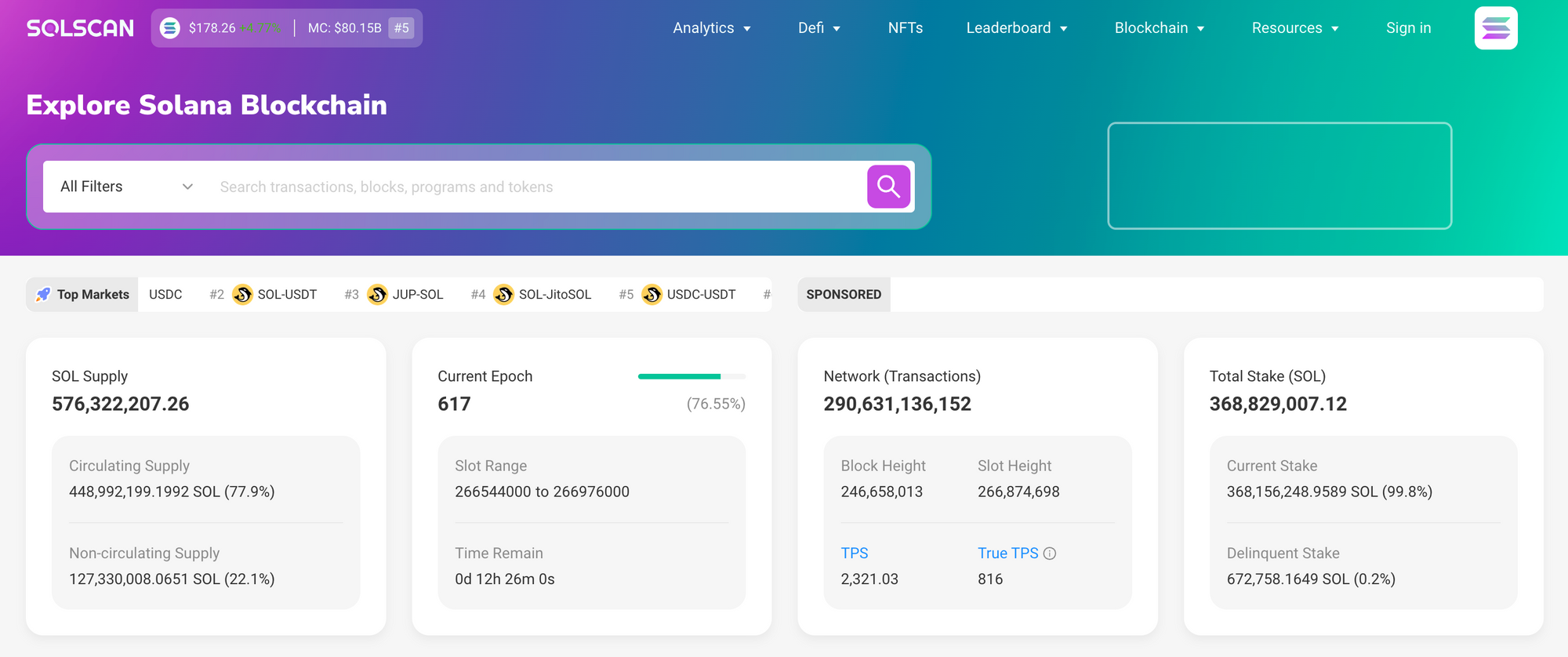
When I want raw lookups and quick analytics I reach for a solid explorer that surfaces token accounts and interactive charts. For practical needs—like tracing a suspicious mint or verifying token supply lineage—I prefer tools that show decoded instructions and program IDs in-line. One place I check is the solscan explorer official site because it blends block-level views with token-centric pages, and it’s fast enough for quick triage. I’m biased, but it saves me time when I’m hunting irregular patterns across multiple accounts.
Here’s the thing.
Concentration metrics tell you if a few wallets control supply. If you see 90% of supply concentrated in ten wallets, that’s not just a red flag, it’s a governance and market-manipulation risk, especially for retail holders in a volatile market like crypto where a weekend dump can wipe out confidence. Heatmaps, cohort flows, and exchange deposit correlations help, though you’ll still need judgment. This part bugs me because many users skip these checks and then complain when liquidity vanishes.
Whoa.
You can also export CSVs and run your own queries for deeper analysis. Initially I thought native dashboards were enough, but then I began stitching exports into local dashboards because sometimes the explorer’s UI doesn’t support the specific cross-filtering I need, and that extra step often reveals the real story behind on-chain events. On the ground, developers in the US and elsewhere pair explorer checks with alerting tools and custom scripts. I’m not 100% sure about every corner case, but these practices cut a lot of risk.
FAQ
What should I check first when I look at a token?
Start with supply and holder distribution. Then check recent mints and burns, trace large transfers, and scan for program IDs tied to bridges or multisigs. Also peek at liquidity pools and exchange deposits—very very important for exit risk.
How do I tell accumulation from market manipulation?
Look at wallet cohorts over time and watch instruction patterns. Large buys spread across many small wallets might be organic, though repeated transfers between the same few accounts is suspicious. Correlate those moves with on-chain program activity and you get better confidence.